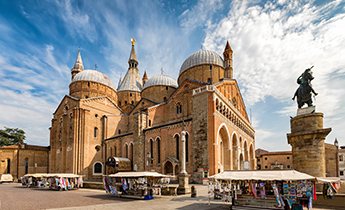
Padua (Padova in Italian) is one of the oldest yet the most dynamic cities in Italy. You can find it in the central area of the vast plains in the Veneto region, circled by lagoons and Alpine foothills. Though not far from Venice, Padua couldn’t be more different. Established over 3,000 years ago, it grew along the curve of the Brenta River. Today, Padua is vivacious, modern, cosmopolitan, and quite famous for its prestigious historical University as well countless works of art scattered around the city. The best way to soak in Padua’s historic city center is on foot, walking down its porticoed roads, quaint piazzas and old bridges. In fact, the piazzas make for the perfect departure point. Piazza delle Erbe and Piazza del Frutti, in particular, as they are the social hubs as well as the site of the local fresh produce markets.
Overlooking the two squares is one of the town’s iconic monuments, Palazzo Della Ragione. As you stroll around, you can dive deep into the exploration of ancient churches, chapels, and more historical piazzas. Make sure not to miss out on Palazzo Bo which serves as the principal office of the prestigious Università di Padova. It’s the second oldest university in Italy and excels in both sciences and culture!
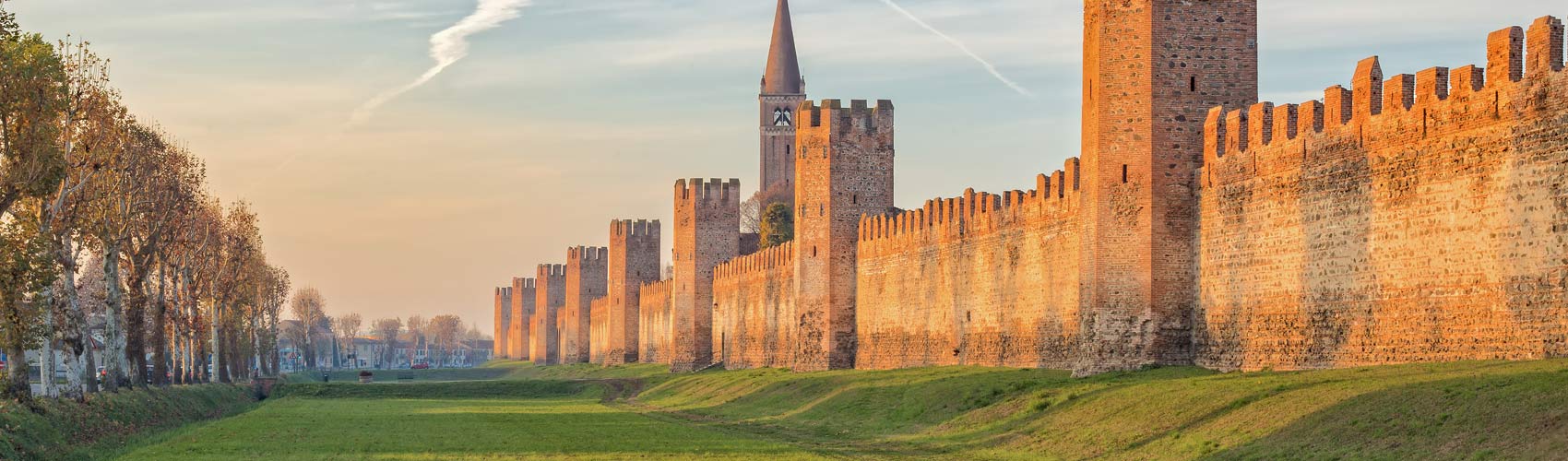
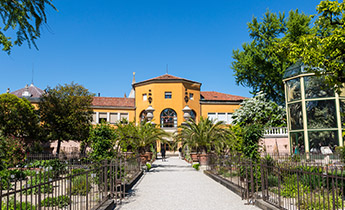
Besides the incredible, monumental heritage, Padua has access to many notable cultural and natural attractions such as the Euganean Springs, Euganean Hills, its well-preserved Medieval walls, ancient noble residences, castles and a lovely patchwork countryside. The Euganean Hills are a real treasure chest of experiences and wonders boasting green valleys and vineyard-covered hills which are as beautiful in spring as in the Auburn colors of fall. It’s an authentic oasis of natural life with an unusually rich flora.
Indeed, it’s unlikely you will get bored exploring. For more tips, ideas, and inspiration on what to do in Padova, scroll through the suggestions below!