Tours › France › Grand Est › Strasbourg › Strasbourg: French and German Heritage Walking Tour
New Activity

Strasbourg: French and German Heritage Walking Tour

Duration: 2h
Group: Max 10 people
Oct 23, 2026
Two-hour guided walking tour of Strasbourg's Grande Île, Notre-Dame Cathedral exterior, Petite France and the German-built Neustadt, tracing four territorial shifts.
Language
FROM
$ 23
/pp

About This tour

Visits to Grande Île, Petite France and Neustadt (external)
Views of Notre-Dame Cathedral's exterior and spire
Architectural and historical commentary
Two-hour walking tour
Professional guide
Entrance tickets to monuments and museums
Entrance or interior admission to Notre-Dame Cathedral


Smart City Tour

Meeting Point

France

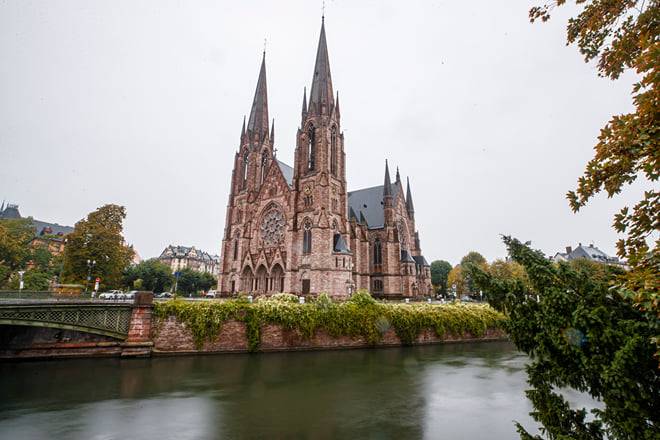
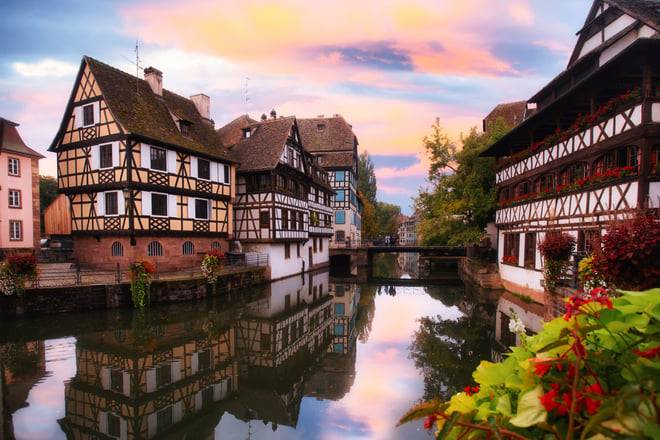
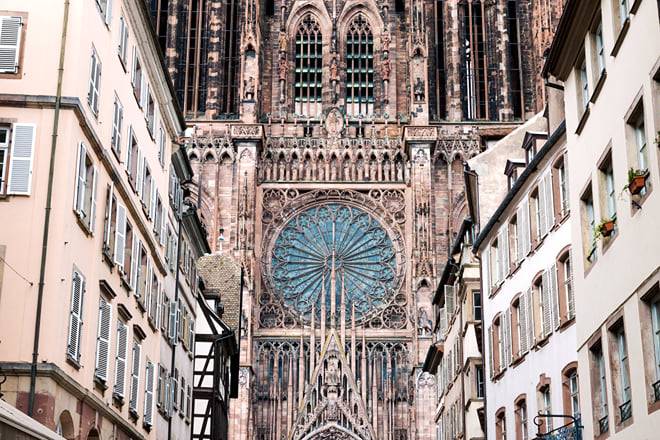
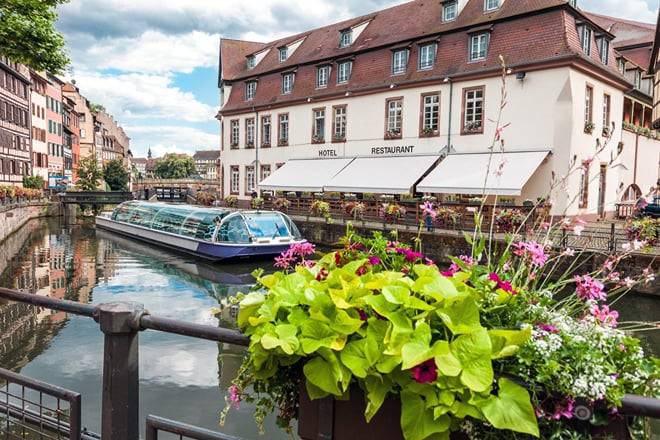
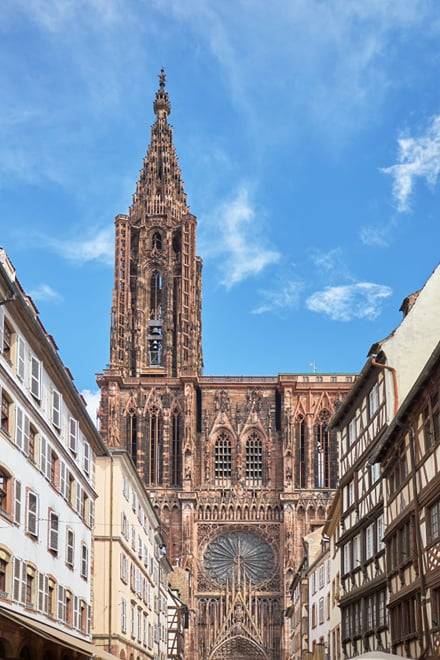
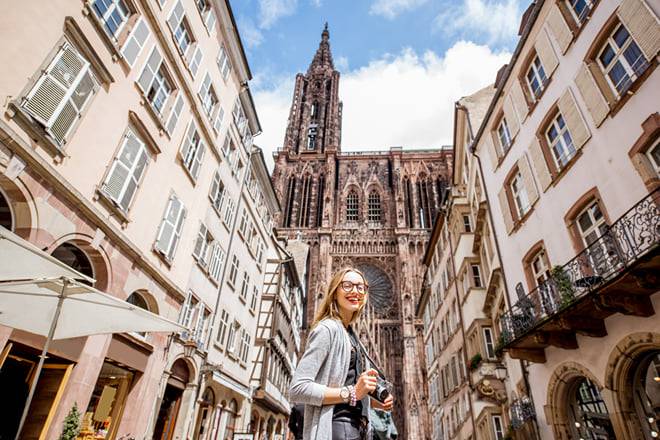
Spend two hours walking across Strasbourg’s two contrasting halves, discovering how architecture tells the city’s complex political story. The route begins at the imposing Notre-Dame Cathedral, constructed from pink Vosges sandstone; its ornate spire dominated the skyline from 1647 until 1874 and the guide explains its construction, symbolism and the astronomical clock that has fascinated visitors for centuries. You continue through the UNESCO-listed Grande Île, pausing by the carved façade of the Maison Kammerzell (1589) and at Place Gutenberg, where printing innovations were developed during Gutenberg’s years in the city. Wander the channels and timbered houses of Petite France, once home to tanners, millers and fishermen, and appreciate the intimate, medieval urban fabric.

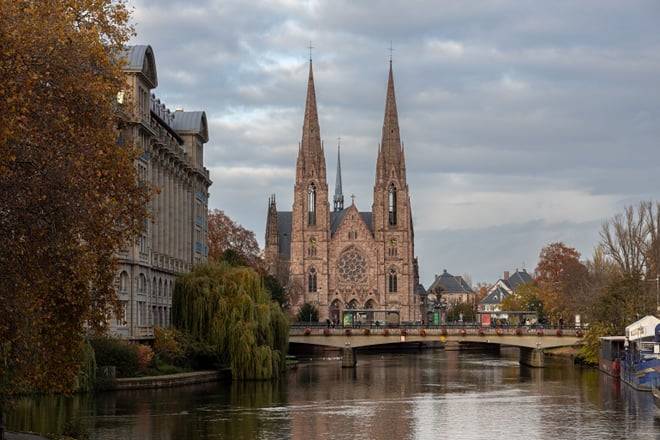
Crossing Place Kléber, the narrative then shifts to the grander scale of the Neustadt. At Place Broglie the guide recounts key civic moments and seasonal traditions that shaped public life. The walk concludes at Place de la République, framed by the Palais du Rhin, the National and University Library and the National Theatre; the contrast between scales and styles provides a vivid framework for discussing the annexations of 1871 and 1940 and Strasbourg’s return to France in 1918 and 1945. Throughout the tour the emphasis is on architecture as a living record of shifting sovereignties and cultural influences.

You might also like